


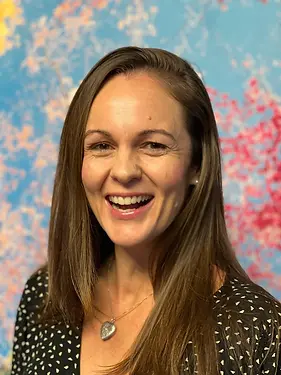
Vicky Little is a leading expert in neuroinclusion, driving innovative approaches to neuroinclusion within organisations. Alongside her, the team of experienced coaches brings specialised knowledge and hands-on experience in integrating neurodiverse talents into the workplace. Together, they are transforming traditional neuroinclusion frameworks by embedding authentic inclusivity into organisational culture
Vicky has partnered with more than 500 organisations across government, finance, technology, transport, retail and professional services to strengthen their neuroinclusive practice. She delivers high-impact training and education to leaders, employees and organisations, having trained over 11,000 personnel in the past eight years, aiming to influence inclusion transformation through a deeper level of awareness.
Her work includes designing enterprise-level neurodiversity coaching programs, leadership capability frameworks, workplace training, maturity assessments, and long-term cultural transformation initiatives.
Vicky’s foundations in this work were shaped early in her career with the National Autistic Society (UK) and, later, through establishing NSW’s first autism-specific employment program, Aspect Capable, at Autism Spectrum Australia.
Her lived experience of neurodivergence, including a recent late diagnosis of ADHD, further enriches her commitment to evidence-informed, neuro-affirming practice.
Across every role, Vicky’s mission remains consistent: to help organisations create workplaces where neurodivergent people are valued, supported, and able to thrive in meaningful careers.
Team Capability
Vicky is joined by the passionate workplace support team previously employed at Specialisterne Australia, who bring a wealth of knowledge and expertise to the table.
Angela Bueti
Principal Neuroinclusion Advisor and Mediator
Angela has over 30 years of experience in workforce development initiatives and over six years of leadership at Specialisterne Australia, including 1.5 years as General Manager of Neurodiversity Support & Advisory. She holds qualifications in education, project management, and leadership.
With extensive experience designing and leading transformative workforce development projects, Angela has driven significant neuroinclusive coaching and capability-building initiatives across corporate, public, and government sectors, creating measurable impact at both individual and organisational levels.
Combining decades of professional expertise with close lived experience of neurodivergence, Angela brings a strategic, practical, and evidence-informed approach to helping organisations build truly neuroinclusive workplaces and unlock the potential of neurodivergent talent.
Anita Post
Senior Neuroinclusion Coach/Occ Rehab Counsellor
Anita has over three years of past experience at Specialisterne Australia, bringing more than 31 years of expertise in human services and healthcare to her role. She holds qualifications in autism studies, rehabilitation counselling, complementary medicine, and mental health first aid.
With extensive experience in autism employment, occupational rehabilitation counselling, and workplace injury management, Anita specialises in coaching neurodivergent employees and their managers to build inclusive workplace capacity.
Combining professional expertise with personal lived experience of neurodivergence, Anita brings a compassionate, solutions-oriented, and practical approaches to helping organisations create environments where all employees can thrive.
Georgie Walker
Senior Neuroinclusion Coach and Mental Health Wellbeing Advisor
Georgie has over eight years of previous experience at Specialisterne Australia supporting neurodivergent individuals in the workplace. She holds qualifications in clinical counselling, psychology, community services, business and mental health first aid.
Georgie's passion for working with neurodivergent individuals began in 2016 through her experience with animal-assisted therapy for autistic children dealing with trauma, anxiety, and learning difficulties. With her extensive mental health expertise and accreditation in Mental Health First Aid, Georgie specialises in helping neurodivergent employees recognise their unique strengths, build confidence, and support their mental health and wellbeing needs.
Drawing on both professional expertise and lived experience as a neurodivergent person, Georgie leads with compassion, determination, and deep empathy, fostering workplaces where people feel safe, valued, and genuinely supported.
Tareyn Williams
Senior Neuroinclusion Coach
Tareyn has over three years of previous experience at Specialisterne Australia, and brings more than a decade of expertise in the community sector to her role. She holds qualifications in mental health first aid and working with vulnerable people.
With a passion for connecting deeply with people and delivering on their needs, Tareyn specialises in supporting neurodivergent individuals to successfully thrive in their work environments. She provides workplace coaching and support for neurodivergent employees and their supervisors, managers, and colleagues, fostering understanding and collaboration across teams.
Combining professional expertise with personal lived experience of neurodivergence, Tareyn brings a warm-hearted, compassionate approach to creating positive workplace change and building truly inclusive environments.